Busting myths about technology-led learning: Raj Shamani joins Intel’s ‘The Learning Curve’


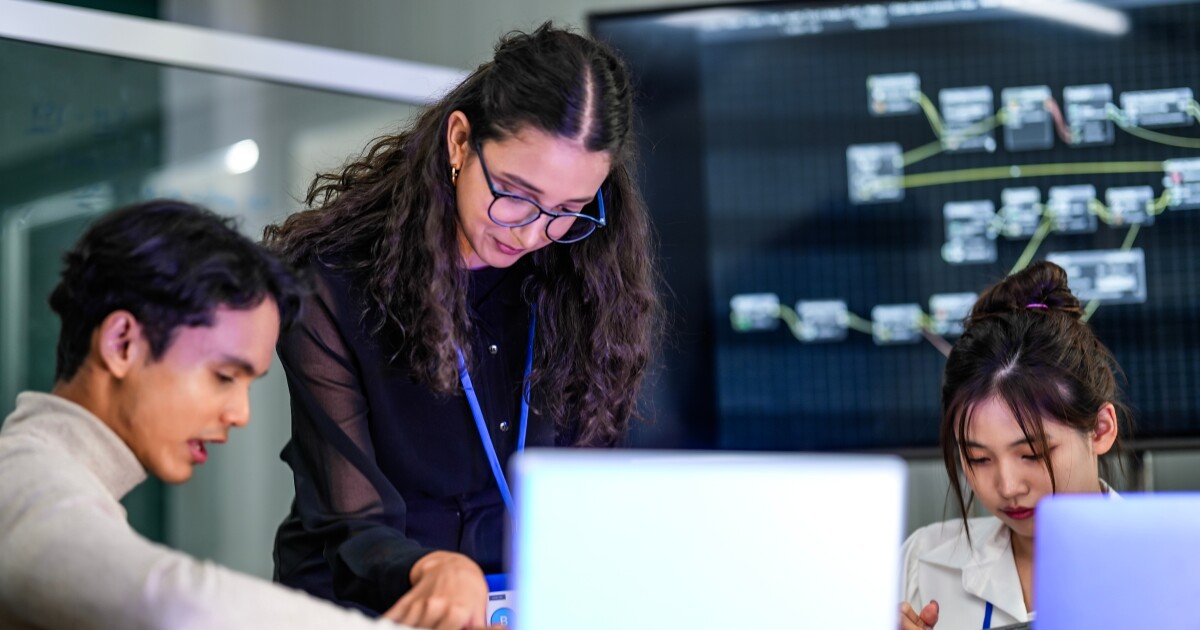
“Is my child ready for a world that’s going digital?’’, “Can my child learn well through gadgets”- these are just some questions that most parents think when they witness the world slowly quitting the analogue way of life. This transformation has also entered the educational sphere, where academic institutions are bringing in modern technology to enhance the learning experience. Raj Shamani—an entrepreneur, digital content creator, and one of India’s most followed business influencers—has closely witnessed how digital transformation is reshaping careers and learning. Known for simplifying complex topics around technology, finance, and growth, Raj tackles common myths in Fact vs Fiction, a video series part of The Learning Curve—an Intel initiative supported by the Times of India.Here are some of the myths that Raj decodes: Myth 1: Technology is just a distractionParents often think that when a child is using a laptop, they will end up gaming or consume content that does not aid their learning. However, Raj opines that the laptop actually takes care of mundane, time-consuming activities like note-taking by automating them. This enables children to productively use their time to understand concepts more deeply and apply them while studying.Myth 2: Traditional skills are enoughIn a world where digital is no longer just a buzz word, Raj states that the world belongs to hybrid thinkers. The traditional way of learning is vital but so is the development of skillsets like coding, video creation, designing etc. that can empower children to chalk out thriving career trajectories in a rapidly evolving world, with new opportunities emerging every fortnight. Myth 3: Technology corrupts young mindsRaj points out that keeping children away from technology in a digital-first world would put them at a disadvantage. The idea is mindful use of technology and having open dialogue, which will also help them understand how the digital world functions—from navigating online content to making ethical choices about technology use. Technology is continually going to change the conventional way of life but what makes the difference is how mindfully it is used and how children are exposed to it with all the precautions in check. Intel’s ‘The Learning Curve’ initiative, supported by the Times of India, is an attempt to inform parents about the resources that they can use to ease their child’s journey into the digital world. It empowers parents to explore diverse learning methods for their children, and encourages them to make the most out of newer academic experiences. Disclaimer: This article has been produced on behalf of Intel by Times Internet’s Spotlight Team.
link