Elevating student learning with hands-on learning spaces

Across the 10 libraries that make up the University of Minnesota Twin Cities Libraries system are spaces designed to elevate hands-on student learning by facilitating creativity and collaboration: spaces like the Toaster Innovation Hub, Makerspaces, and Virtual Reality Studio.
These spaces are stocked with the latest technology and staff eager to show students and others how to navigate the opportunities. All majors and skill levels are welcome to use these spaces.
The Toaster

At its heart, the Toaster Innovation Hub is designed to connect students, faculty, staff, and the wider community to the University of Minnesota’s expansive innovation and entrepreneurship ecosystem.
According to Kimberlie Moock, director of operations at The Toaster, the airy, 6,500-square-foot space in the basement of Walter Library was created after Minnesota Carlson business students requested a collaborative space to meet students outside of their college, with the ultimate goal of creating flourishing businesses.
Business has never been the sole focus of the space, however—Moock calls The Toaster “college agnostic.” At its core, it is a hub for entrepreneurship and innovation in all fields.
“A space like this allows for the opportunity for students to mix and mingle in ways they don’t normally have,” says Moock.
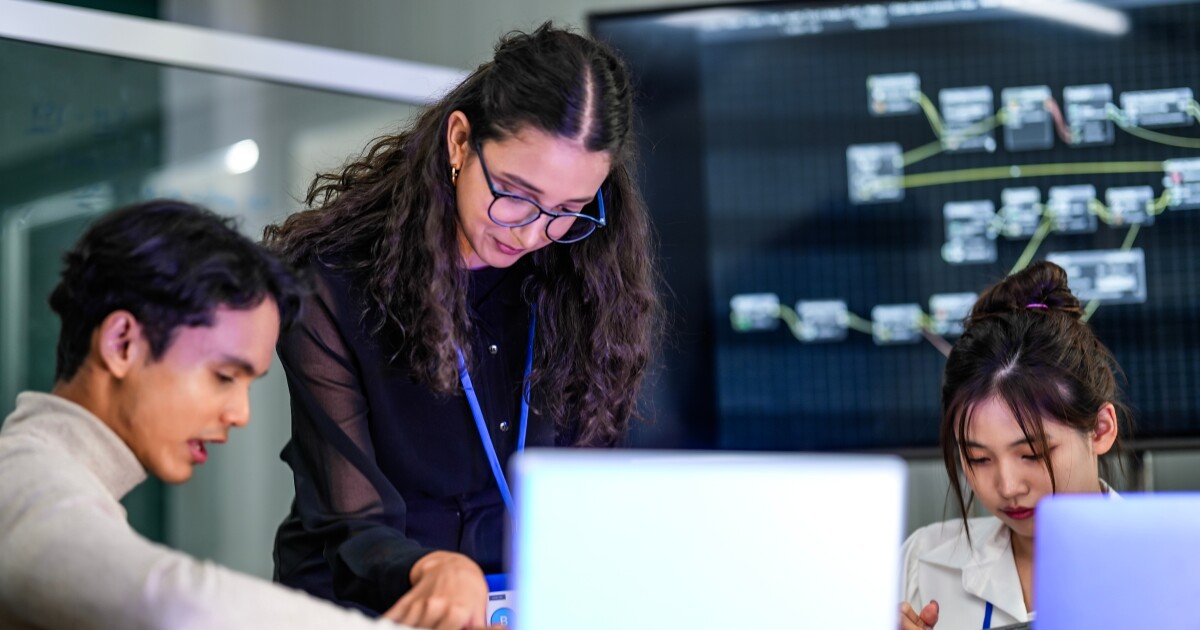
The Toaster’s large space and comfortable, moveable furniture allow for multiple different activities to happen at once, from student group meetings and workshops to studying or working on projects alone or with friends.
The knitting and crochet student clubs meet at The Toaster, as does the entrepreneurship club. And every semester, The Tinker @ The Toaster Innovation Challenge welcomes students with a new innovation project, with this upcoming semester’s challenge involving game design.
Makerspaces
Makerspaces are creative spaces with sewing machines, craft supplies, 3D printers, button makers, virtual reality, and more, where students can explore, tinker, and prototype their ideas. There are Makerspaces located within The Toaster, as well as an expanded space on the fifth floor of the Health Sciences Education Center.
There, medical students can 3D-print brain scans to physically examine abnormalities, or anyone can come in to quickly repair an item, get creative, or even get started on their Halloween costume.
“Everything is free, so there’s no roadblocks getting in your way,” says Makerspaces manager Steven Bleau. “Once you get a good overview of the space over time, throughout your academic journey, there may be points where you say, ‘I have this idea and I know where to go.’”
The Health Sciences Education Center Makerspace consists of four different zones: a primary work zone with tables for collaboration, a paper crafts room featuring a Cricut machine, a specialty equipment room, and an electronics zone.
Students don’t need to study product design or medicine to use the spaces. In fact, you don’t even need to know how to use any of the equipment, says Bleau, because training is available and staff are there to help.
Bleau says the Makerspace bridges an accessibility gap between students and technology, providing them with hands-on learning experiences that put their ideas into practice.
He also highlights the value in students having a space to relax on campus.
“A good majority of our patrons are just coming in to unwind, fulfill a hobby, learn something new, and just get creative,” he says.
Overall, both Makerspaces are highly versatile hubs for hands-on learning and community building through creativity.
Virtual Reality Studio
For those wanting to nerd out with someone about the potential of virtual reality, VR program lead Charlie Heinz will gladly act as a mentor and consultant. The Virtual Reality Studio, also located on the fifth floor of Health Sciences Education Center, is “definitely a place for the curious,” says Heinz.
While both the Toaster and Makerspaces have VR technology available, the VR Studio offers four separate workstations across 900 square feet, as well as nine gaming computers. It also circulates equipment such as cameras and Meta Quest 2 headsets.
Several medical school classes, as well as journalism, art, and architecture classes, use the studio for in-class activities.
Heinz emphasizes that students shouldn’t let the technology intimidate them.
“We always have staff in the space to help,” says Heinz. “It’s a very supportive environment.
“We want to support student innovation and creativity, we want to support the whole student, and we want to do outreach to people who are underrepresented in technology fields,” says Heinz.
This story, by Sommer Wagen, is adapted from University of Minnesota Libraries
Make a gift to support student learning at the University of Minnesota
link